A poorly designed kitchen layout can make even the most beautiful home feel frustrating to use. Limited counter space, awkward appliance placement, and poor traffic flow can turn daily cooking into a challenge. The good news is that a kitchen remodel is the perfect opportunity to fix these issues permanently.
At Best American Builders, we specialize in transforming inefficient kitchens into functional, modern, and highly usable spaces. This guide explains how to identify layout problems and fix them the right way during a remodel.
Why Kitchen Layout Matters More Than You Think
Your kitchen layout affects everything from how smoothly you cook to how comfortable your space feels when multiple people are using it.
A bad layout often leads to:
- Wasted movement between key areas
- Cluttered countertops
- Limited storage access
- Traffic jams in busy cooking zones
- Poor appliance positioning
Fixing these problems during a remodel is far more cost-effective than trying to adjust them later.
Step 1: Identify What’s Wrong With Your Current Layout
Before making changes, you need to understand what is actually not working in your kitchen.
Common layout problems include:
- Sink, stove, and refrigerator placed too far apart
- Lack of counter space between work zones
- Islands placed in tight or awkward locations
- Cabinet doors blocking movement paths
- Poor lighting in cooking and prep areas
Once you identify these issues, your remodel plan becomes much more effective and targeted.
Step 2: Apply the Kitchen Work Triangle Rule
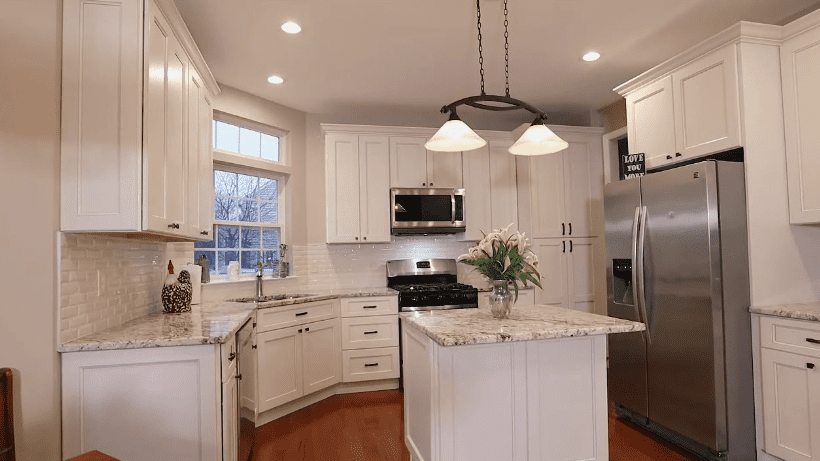
One of the most important principles in kitchen design is the work triangle, which connects the sink, stove, and refrigerator.
A properly designed triangle ensures smooth movement and efficiency while cooking. If these three areas are too far apart—or too close together, the kitchen becomes inefficient.
y=f(x)y = f(x)y=f(x)
In simple terms, your kitchen should allow natural movement between these three key zones without obstruction or wasted steps.
Step 3: Improve Traffic Flow and Space Usage
A major cause of poor kitchen performance is a blocked or tight walking space.
To fix this during a remodel:
- Ensure clear walkways between counters and islands
- Avoid placing large appliances in narrow pathways
- Create separate zones for cooking, prepping, and cleaning
- Keep high-traffic areas open and uncluttered
Good flow makes your kitchen feel larger, even without expanding square footage.
Step 4: Optimize Storage and Cabinet Layout
Lack of storage is often a layout problem, not just a space problem.
During remodeling, smart cabinet planning can dramatically improve usability:
- Use deep drawers instead of lower cabinets where possible
- Install vertical storage for baking trays and cutting boards
- Add corner cabinet solutions (lazy Susans or pull-out systems)
- Maximize vertical wall space for upper storage
Efficient storage reduces clutter and improves workflow.
Step 5: Redesign Appliance Placement for Efficiency
Incorrect appliance placement is one of the biggest layout mistakes in kitchens.
A remodel allows you to reposition appliances based on real usage patterns:
- Keep the refrigerator accessible, but not blocking main movement
- Place the dishwasher close to the sink for easy loading
- Position the oven and stove in a central cooking zone
- Avoid placing appliances where doors conflict with walkways
Small adjustments here can significantly improve daily convenience.
Step 6: Consider Adding or Reworking a Kitchen Island
A kitchen island can be extremely useful, but only if properly placed.
During a remodel, you should evaluate:
- Whether an island improves or blocks movement
- If there is enough clearance around it
- Whether it adds usable counter space or creates congestion
- If it can include storage or seating without overcrowding
In many cases, resizing or repositioning the island solves multiple layout issues at once.
Step 7: Improve Lighting Based on Zones
Poor lighting often makes layout problems worse.
A well-planned kitchen remodel should include:
- Task lighting over cooking and prep areas
- Ambient lighting for overall visibility
- Under-cabinet lighting for countertops
Proper lighting helps define zones and improves functionality.
Step 8: Work with a Professional Remodeling Contractor
Fixing kitchen layout problems is not just about design, it requires construction expertise, structural understanding, and precise planning.
A professional team like Best American Builders ensures:
- Accurate space planning
- Efficient workflow design
- Code-compliant modifications
- High-quality installation and finishes
This prevents costly mistakes and ensures long-term functionality.
Final Thoughts
A poor kitchen layout doesn’t just affect appearance; it affects your entire daily routine. The right remodel can completely transform how your kitchen functions, making it more efficient, comfortable, and enjoyable to use.
If your kitchen feels tight, inefficient, or outdated, a professionally planned remodel can solve these problems at the root level.
At Best American Builders, we specialize in turning frustrating kitchen layouts into beautifully designed, highly functional spaces built for real life.